




Gym Floor Tiles Australia: Benefits, Thickness Guide & Installation Tips
Gym Floor Tiles Australia: Benefits, Thickness Guide & Installation Tips
Choosing the right flooring is a practical decision for any Australian training space, whether you're fitting out a commercial facility or upgrading a garage gym. Gym floor tiles are widely used because they deliver reliable protection, straightforward installation, and a clean, professional finish without committing to permanent flooring.
Raw Fitness Equipment has a dedicated flooring side of the business that specialises in gym flooring solutions, including custom turf, rolled flooring options, and installation support for fit-outs of all sizes. You can browse the full range of options here: Raw Fitness Equipment gym flooring & turf.
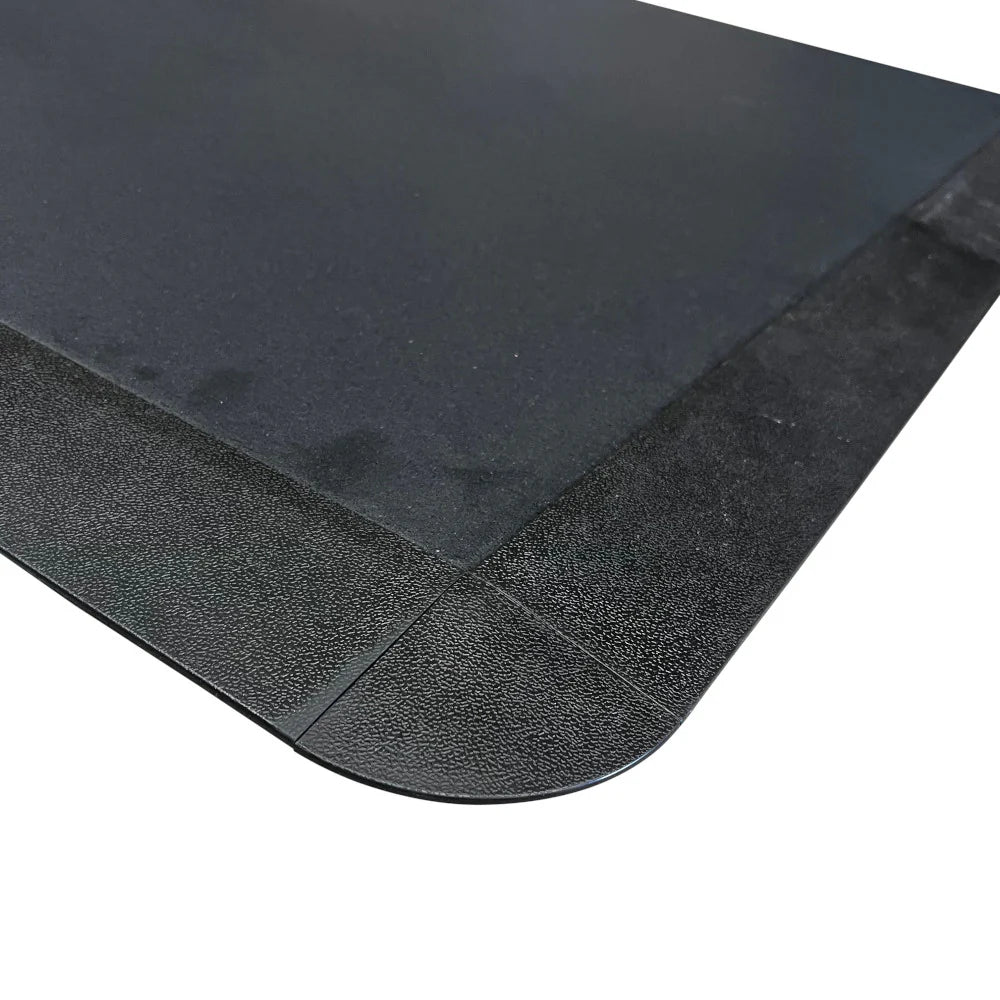
If you're after a hard-wearing, easy-to-lay option for general training zones, grey fleck 1m x 1m rubber gym flooring tiles are a popular choice for building a durable, modular gym rubber floor.

Enhanced safety and comfort underfoot (rubber gym tiles)
One of the biggest benefits of rubber gym tiles is underfoot stability. A properly fitted tiled surface helps reduce slip risk compared with bare concrete, and the rubber composition can improve traction in busy areas. The slight compliance of rubber can also make standing-based training (free weights, functional circuits, general conditioning) more comfortable over long sessions.
-
Improved grip compared with many hard floors
-
More comfortable for standing work
-
More forgiving surface for general fitness activities
Impact absorption and equipment protection
Gym floors take repeated abuse: dropped dumbbells, loaded barbells rolling, and machine feet compressing the surface. Rubber gym tiles help absorb impact and reduce abrasion, which protects both the subfloor and your equipment. This can be especially valuable for home gyms built on concrete slabs, where unprotected drops can chip the slab and damage plates and bars.

Durability for high-traffic gym areas (gymnasium flooring)
Quality gymnasium flooring is engineered to tolerate heavy loads and consistent foot traffic. Individual tiles distribute weight effectively, limiting concentrated wear in common movement paths. Over time, this durability can reduce the frequency of replacement compared with softer, less resilient surfaces.
How to choose gym floor tile thickness
Thickness is one of the most important decisions when selecting tiles for gym use. The best option depends on how you train, the weight you handle, and what you need to protect (subfloor, equipment, noise).
-
General training areas: Often suited to moderate thickness tiles that balance comfort and stability for machines, benches, and general movement.
-
Free weights and heavier lifting: Thicker options can improve impact protection and noise reduction, especially over concrete.
-
Commercial fit-outs: Consider traffic patterns, cleaning routines, and whether you'll use multiple surfaces (tiles + rolled flooring + turf) for zoning.
If you're not sure which direction to go, Raw Fitness Equipment can recommend an approach based on your layout and training style. For fit-outs, contact Raw Fitness Equipment for a quote.
Comparing Gym Floors: Tiles, Rolled Rubber & Turf
Many facilities combine surfaces to create purpose-built zones. Here is a simple starting point when comparing gym floors:
| Option | Best For | Why Choose It |
|---|---|---|
| Gym floor tiles | Modular gym layouts, mixed-use spaces | Easy to expand/replace sections; good all-round protection |
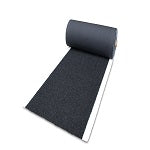
| Rolled rubber flooring | Seam-reduced coverage, larger open areas | More continuous surface; efficient for broad installations |
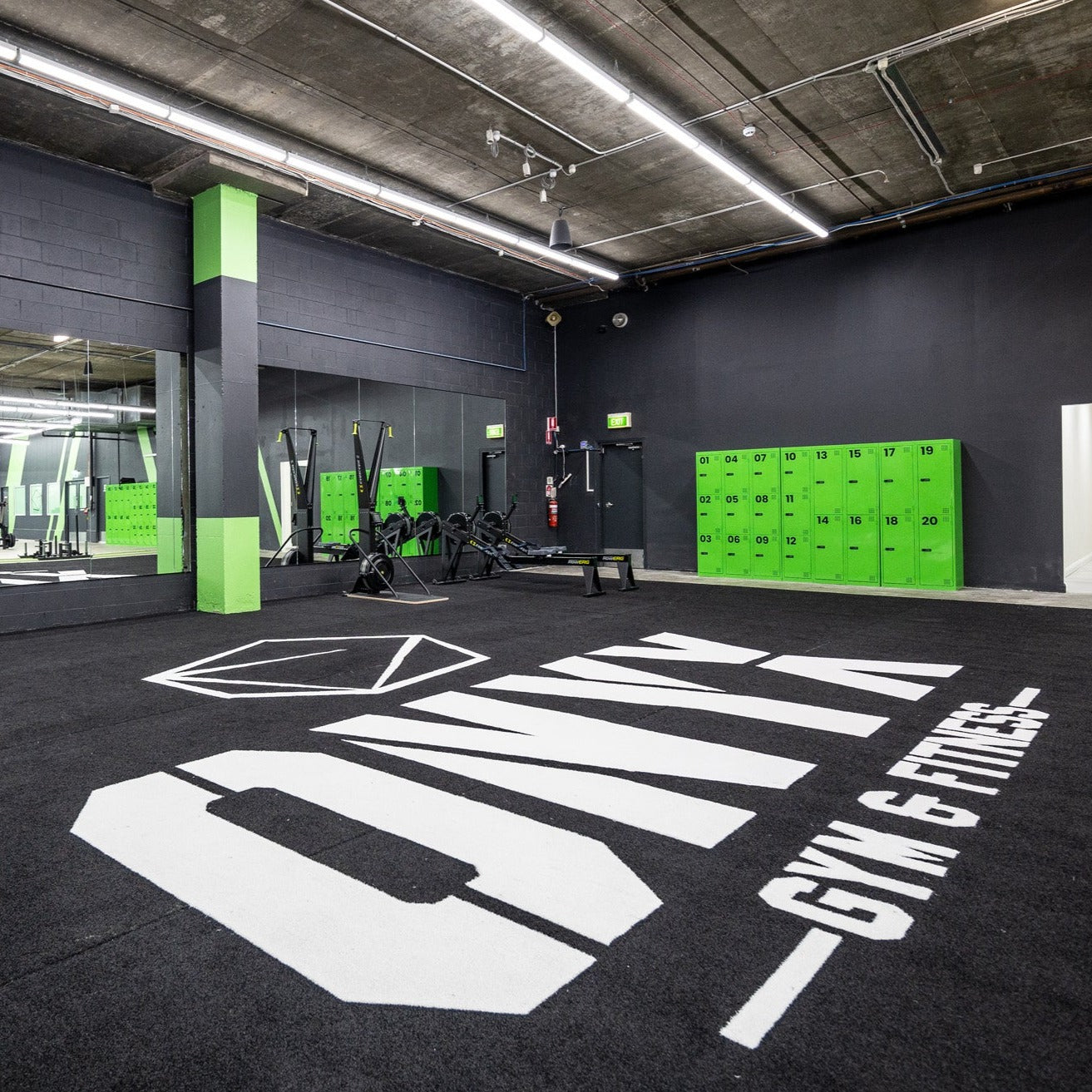
| Gym turf | Sled lanes, functional training, conditioning | Purpose-built traction for sled work and athletic movements |
To explore different flooring types in one place, see all Raw Fitness Equipment flooring options. For a sled-track style solution, explore custom gym sled turf.
Modular installation and subfloor preparation
One reason rubber gym tiles are so popular is modular installation. You can fit out a small lifting corner or scale up to a full facility, and you can replace a single damaged tile rather than redoing an entire floor.
-
Subfloor basics: Aim for a clean, dry, and reasonably level surface before laying your gym rubber floor.
-
Plan the layout: Dry-lay a first row and work from a square reference line so seams stay consistent.
-
Edges and transitions: If your flooring meets another surface, consider how you will manage edges to reduce trip risk.
For commercial installations and larger fit-outs, Raw Fitness Equipment offers installation support. Get in touch here.

Cleaning and maintenance (keep gym floors looking professional)
Maintenance is usually straightforward, which adds to the long-term value of rubber gym tiles and other gymnasium flooring options.
-
Sweep or vacuum regularly to remove grit that can dull the surface over time.
-
Spot-clean spills promptly to minimise staining and odour.
-
Use cleaning methods suitable for rubber flooring and follow any product care guidance.
Common mistakes to avoid when choosing tiles for gym use
-
Choosing thickness without considering training style: Heavy lifting and drop-prone areas often benefit from more protection.
-
Ignoring zoning: Many fit-outs perform better with dedicated zones (tiles + rolled rubber + turf) rather than a single surface everywhere.
-
Skipping subfloor prep: Dirt, moisture, or uneven areas can affect how tiles sit and wear over time.
-
Not planning the perimeter: Transitions, doorways, and edges should be considered early in the layout.
Why choose Raw Fitness Equipment for gym flooring fit-outs?
Raw Fitness Equipment is not only a gym equipment supplier; it has a dedicated flooring arm that specialises in gym flooring. That includes rubber gym tiles, rolled flooring solutions, custom turf, and support for installation and full facility fit-outs. If you want a cohesive flooring plan (and not just a single product), the team can help you match surfaces to your training zones and budget.
FAQ: Gym floor tiles (Australia)
-
Are rubber gym tiles suitable for home gyms? Yes. They're commonly used over concrete and help protect the subfloor while improving comfort and traction.
-
Can I replace a single tile if it gets damaged? In most tiled systems, yes. The modular layout is a key benefit of gym floor tiles.
-
Do gym floor tiles reduce noise? Rubber can help dampen vibration and impact noise compared with bare concrete, especially when thickness is matched to the activity.
-
Are tiles or rolled rubber better for a commercial gym? It depends on the space. Tiles are easy to replace section-by-section; rolled flooring can feel more seamless across large areas. Many fit-outs use both.
-
What flooring is best for sled training? Turf is commonly used for sled lanes. Raw Fitness Equipment offers custom gym sled turf for purpose-built functional zones.
-
How do I choose thickness? Base it on your training style, load, and whether drops are common. If you're unsure, contact Raw Fitness Equipment for recommendations.
-
Can Raw Fitness Equipment help with full fit-outs? Yes. They supply flooring options and can support installation for fit-outs.
-
Where can I see all flooring options? View all Raw Fitness Equipment gym flooring & turf.
Conclusion
Gym floor tiles remain a dependable option for gyms that need safety, durability, and a professional finish with minimal installation complexity. If you're comparing gym floors for an Australian home or commercial space, Raw Fitness Equipment's rubber gym tiles are a practical starting pointand you can review the grey fleck 1m x 1m tiles as a reference for a durable, modular flooring solution.
For facility fit-outs, custom flooring packages, and installation support, contact Raw Fitness Equipment for a quote.