
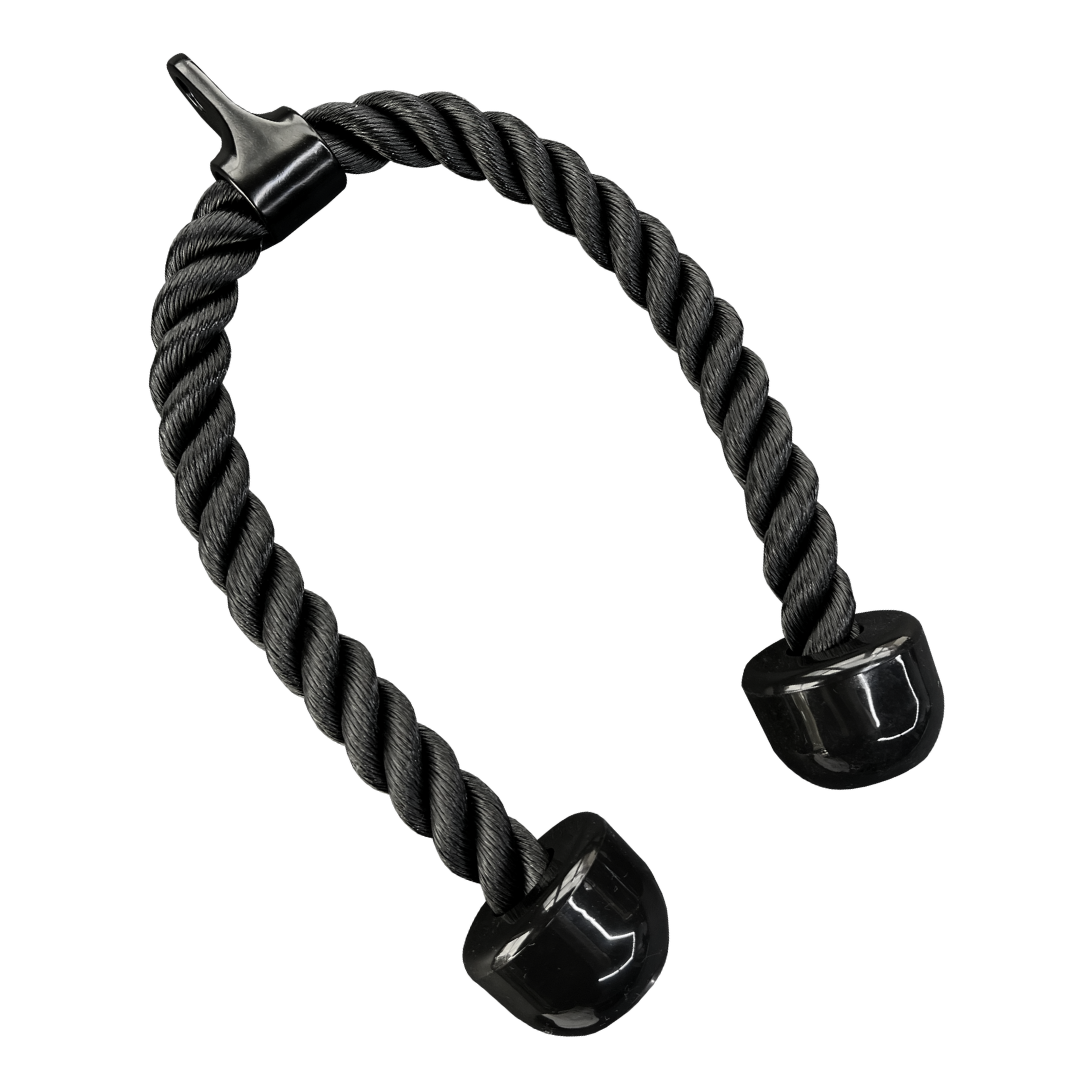




Commercial Gym Fitout Guide Australia: Design, Equipment & Costs
Gym Fitout Guide for Australia: Commercial & Home Spaces
You hold the keys to an empty concrete space, envisioning a thriving community. Turning that vacant shell into a functional training environment---defined as a gym fitout---is a puzzle where equipment forms the pieces and invisible infrastructure acts as the glue. Most fitness professionals agree that rushing this transition causes critical errors.
Summary
This guide presents a phased, end-to-end approach to Australian gym fitouts—covering flooring and acoustic subfloors, spatial zoning and flow, HVAC and electrical requirements, and smart equipment procurement and budgeting. It highlights realistic 4–12 week timelines and reveals common hidden costs (acoustic subflooring, ventilation upgrades, power distribution) before they derail budgets. You’ll learn how to design safe, efficient layouts, meet compliance standards, choose true commercial-grade hardware, and follow a 30-day launch blueprint. Raw Fitness is positioned as a turnkey partner for scoping, design, supply, and installation across commercial and home gym projects.
If you're planning a gym fitout in Australia and want a proven, end-to-end approach, you can use this guide as a checklist and lean on experienced gym fitters like Raw Fitness to help scope, design, supply, and install your space, whether a commercial gym fitout or a home gym fitout. Explore Raw Fitness.
Structuring projects through phased construction for any commercial gym fit out eliminates initial overwhelm. Tackling the shell, flow, essentials, hardware, and finish sequentially keeps the entire process manageable. Industry data reveals that maintaining a realistic 4-to-12-week timeline alongside turnkey facility management prevents major budget blowouts. According to property developers, this methodical approach exposes the three most common hidden costs in fitness fitouts before they happen: acoustic subflooring, ventilation upgrades, and power distribution.
Get a free gym fitout quote from RAW Fitness

Why Your Floor is Your Most Important Piece of Equipment
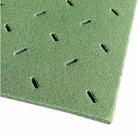
You already know commercial treadmills and stacked weight plates are incredibly heavy. Before dropping a single dumbbell, consider the "layer cake" beneath your feet. Protecting your foundation requires proper subflooring---an unseen structural base that prevents cracking when metal hits the ground. By pairing a robust subfloor with sustainable materials for sports facility construction, you create essential shock absorption that protects both joints and concrete.
Selecting the right visible surface for specific activities is your next step. Consider these three materials:
-
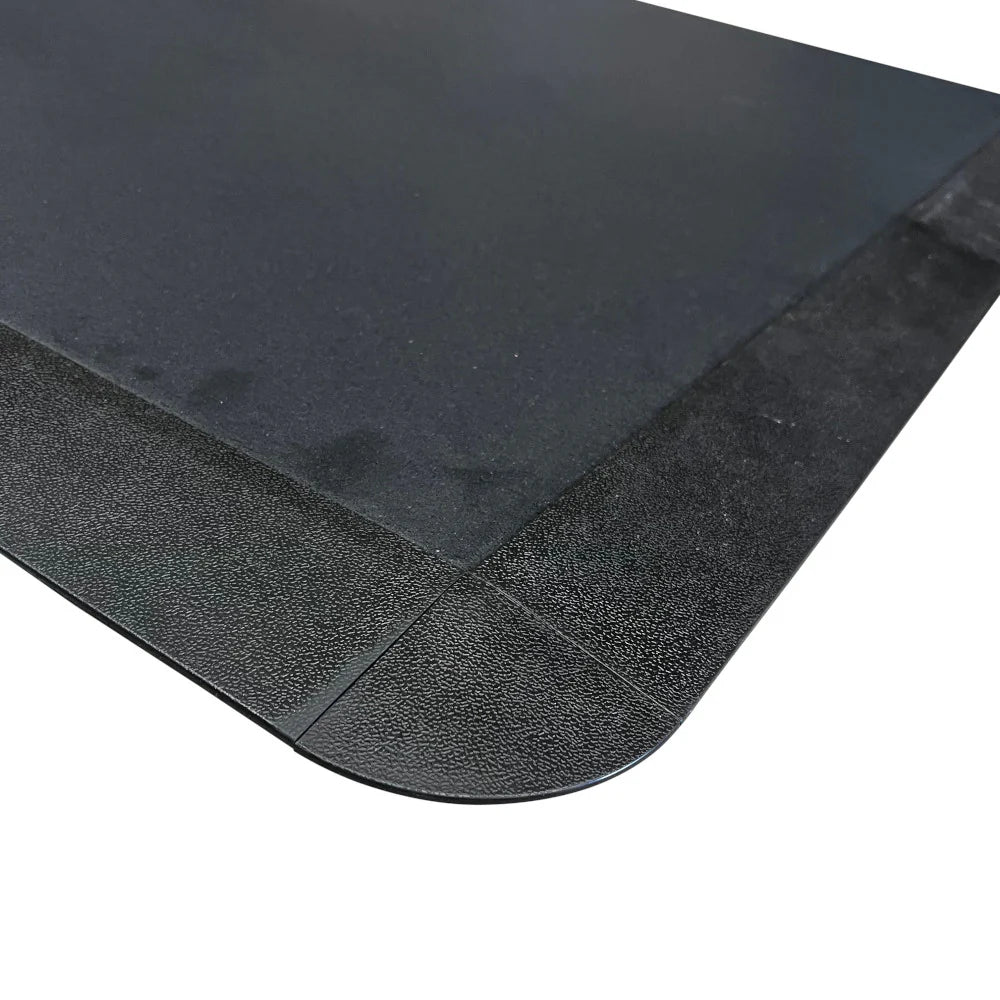
Recycled Rubber: The heavy-hitter. When comparing 15mm rubber flooring vs turf for weightlifting areas, rubber wins for maximum impact protection. See Raw Fitness Equipment tiles
-
EVA Foam: Soft and yielding, perfect for yoga or recovery zones, but easily ruined by heavy machinery.
-
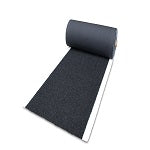
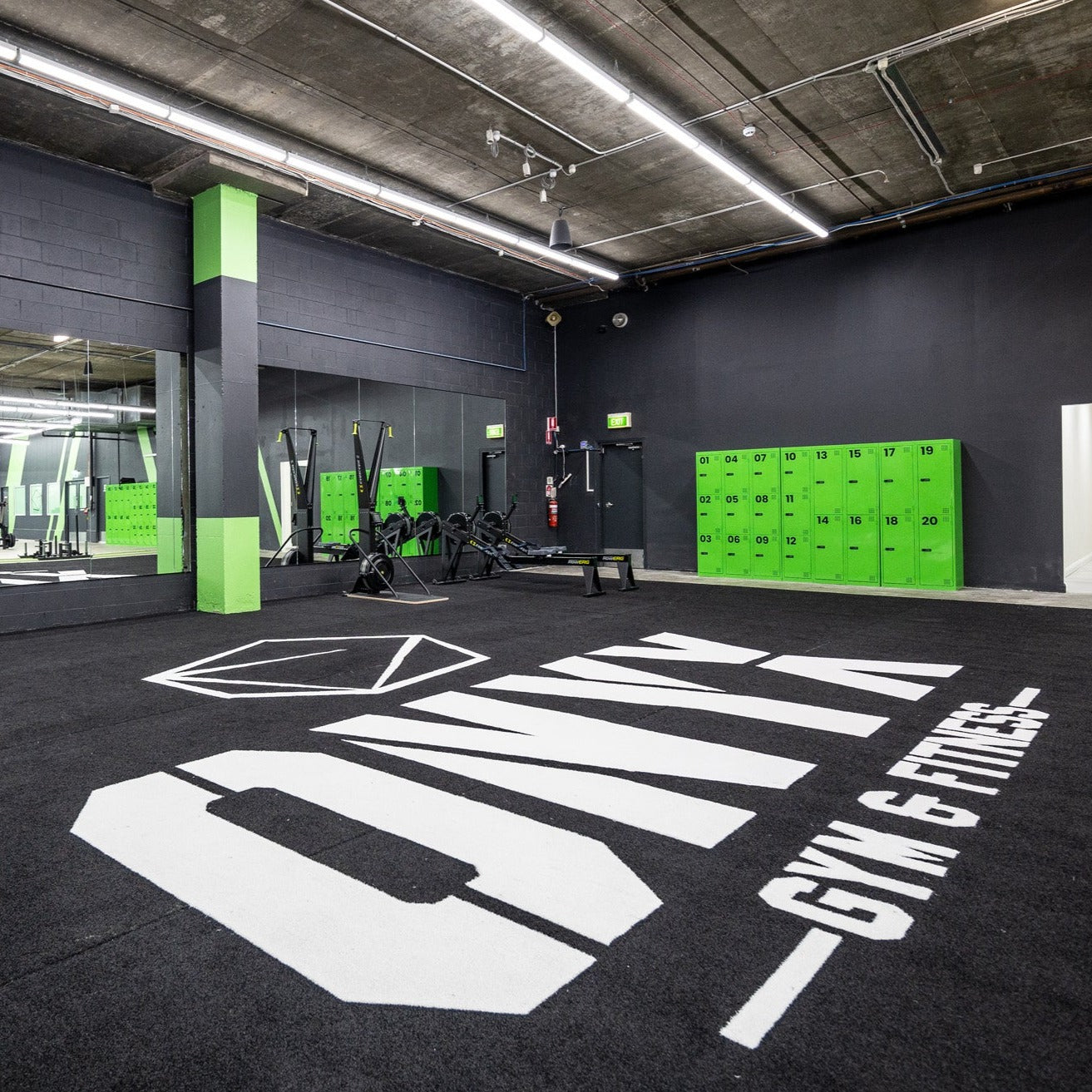
Artificial Turf: High-friction and durable, providing the ideal runway for sled pushes and functional drills. See Raw Fitness Equipment custom turf solutions
Beyond stopping physical damage, your floor must absorb sound. Adding acoustic soundproofing for commercial weight rooms through specialised dampening underlays can reduce noise complaints by up to 60%, keeping you compliant with Australian standards. With your base securely set, you can confidently move on to mastering your spatial layout.
Shop commercial gym flooring at Raw Fitness Equipment

Designing the 'Department Store' of Fitness: Spatial Flow Secrets
Just as you wouldn't place a sofa directly in front of your refrigerator, you shouldn't mix high-intensity treadmills with quiet stretching areas. Designing an efficient gym floor plan requires treating your space like a department store, grouping equipment into distinct zones for cardio, strength, and recovery. This zoning method guides members smoothly through their workouts while eliminating awkward "dead zones" that waste valuable square footage.
Passing the crucial "Peak Hour" test means your layout functions seamlessly when the room is packed with evening gym-goers. When maximising workout space in small facilities, professionals use member capacity ratios, aiming for a baseline of 3.5 square metres per person. This mathematical target guarantees everyone has sufficient room to safely load a barbell without encroaching on their neighbour's territory.
Moving through these structured zones effortlessly is called spatial flow, which dictates both daily comfort and overall safety. Although current fitness studio interior design aesthetic trends often favour moody, tightly packed environments, you must consistently maintain 900mm clear walkway paths between equipment to prevent trip hazards. Beyond the physical floor plan, airborne climate control requires equal attention.
A good fitout isn't just "where equipment fits" it's how members move, queue, train, and recover. A fitout partner should validate your floor plan against peak-hour traffic, training style, and your membership model. Talk to Raw Fitness Equipment about layout & design.
The Invisible Infrastructure: Preventing the 'Sweaty Basement' Smell
A beautifully designed layout is instantly ruined if your space smells like a stale locker room. Standard office buildings barely cycle their air, but HVAC requirements for high-intensity training centres demand robust ventilation to handle heat and humidity. Air Change Rates measure how often fresh air replaces stale room air hourly.
To meet local building codes and safety regulations for fitness centres, your buildout must include these three critical utility requirements:
-
Air Change Rates: Target 8-10 changes per hour in heavy workout zones to prevent stagnant odours.
-
Dedicated Power Circuits: Isolate motorised cardio gear on separate electrical lines to prevent overloads.
-
Lux Levels: Measure your lighting brightness to guarantee safe visibility around heavy equipment.
Think of your power outlets like water taps; sharing circuits across multiple treadmills guarantees tripped breakers during peak hours when the demand is highest. Meanwhile, securing the best lighting for functional training zones means targeting 4000K-5000K colour temperatures to create a crisp, energetic atmosphere. Once utilities are secured, you are ready to procure equipment.
Commercial vs. Home Grade: Smart Procurement and Budgeting
Equipping your space with standard consumer gear guarantees broken machines and frustrated members. Successful commercial gym equipment fitouts rely on hardware built for constant abuse, which means prioritising structural integrity. True commercial equipment utilises heavy-duty 11-gauge steel designed to withstand thousands of daily impacts, whereas thinner residential frames will quickly wobble and fail under heavy community use.
Your final financial plan will heavily depend on this quality standard when figuring out how much it costs to open a boutique studio. In Australia, expect to allocate between $80 and $120 as a realistic cost per square metre for health club renovation projects. Grounding your budget in these local industry benchmarks prevents you from exhausting your capital right before purchasing your heaviest free weights.
The smartest approach to commercial fitness equipment procurement involves avoiding piecemeal retail purchases. Partnering with a turnkey provider---a dedicated service that bundles buying your gear, delivery, and installation into one comprehensive package---can easily save you up to 15% on overall freight. Once the hardware is sourced, focus shifts entirely to executing a successful facility launch.
If you want one team to manage the full scope, design, commercial gym equipment fitouts, delivery, and installation. Raw Fitness can help you reduce friction across the build and keep timelines tight. Raw Fitness equipment & fitouts.

Commercial Gym Fitout: Rough Budget Guide (Australia)
| Category | Budget | Mid-Range | Premium |
|---|---|---|---|
| Flooring (rubber, turf, subfloor) | $15–$30/sqm | $30–$60/sqm | $60–$100/sqm |
| Equipment (strength & cardio) | $20,000–$50,000 | $50,000–$150,000 | $150,000+ |
| HVAC & ventilation upgrades | $5,000–$15,000 | $15,000–$40,000 | $40,000+ |
| Electrical & power distribution | $3,000–$8,000 | $8,000–$20,000 | $20,000+ |
| Lighting | $2,000–$5,000 | $5,000–$15,000 | $15,000+ |
| Acoustic subflooring | $5,000–$10,000 | $10,000–$25,000 | $25,000+ |
| Delivery & installation | $2,000–$5,000 | $5,000–$15,000 | $15,000+ |
| Total (est. 200sqm gym) | ~$80,000–$150,000 | ~$150,000–$350,000 | $350,000+ |
Figures are indicative estimates for Australian commercial gym fitouts and will vary based on location, site conditions, and equipment specification.
Case Study: The Yard Franchise Fitout
The challenge: The Yard franchise operates in compact, high-traffic training spaces that demand equipment specifically suited to their footprint — not off-the-shelf solutions designed for open-plan commercial gyms.
The RAW Fitness solution: RAW Fitness delivered a complete, end-to-end fitout for The Yard — from custom turf and commercial rubber flooring through to a full equipment package tailored to the exact dimensions and training style of each franchise location.
Every piece of equipment was selected and configured to suit The Yard's specific spatial requirements, ensuring members get a premium training experience regardless of the site.
What was included:
- Custom turf and commercial rubber flooring
- Full commercial equipment package
- Space-specific equipment configuration
- End-to-end supply, delivery, and installation
The result: A complete, brand-consistent training environment — ready to open, built to last, and designed around how The Yard actually trains.
Looking to fitout your franchise or commercial gym? Talk to Raw Fitness Equipment about a complete fitout solution

Gym Fitters: How to Choose the Right Partner
Even the best equipment list can fail without the right installation and project coordination. When comparing gym fitters, look for a team that can demonstrate:
-
Relevant projects: Fitouts similar to your model (commercial gym fitout, boutique studio, allied health, or home gym fitout).
-
Clear scope & inclusions: What's included in the commercial gym fit out versus what's handled by builders, electricians, and HVAC specialists.
-
Practical staging: A delivery and install schedule that prevents double-handling and downtime.
For commercial gym fitouts across Australia — from boutique studios in Melbourne and Sydney to large-scale facilities in Brisbane, Perth, and beyond — local knowledge around site access, council compliance, and trade coordination is critical. Talk to RAW Fitness about your project and get a tailored fitout plan
From Empty Space to Opening Day: Your Gym Fitout Timeline
Most well-managed commercial gym fitouts in Australia run 8–12 weeks from confirmed scope to opening day. Here's what a realistic phased timeline looks like:
Phase 1 — Scoping & Design (Weeks 1–2)
- Site measure and assessment
- Floor plan and zoning design
- Equipment specification and selection
- Builder, electrician, and HVAC coordination
- Council compliance and permit review
Phase 2 — Infrastructure & Flooring (Weeks 3–5)
- Acoustic subfloor installation
- Electrical circuits and power distribution
- HVAC and ventilation upgrades
- Lighting installation
- Surface flooring — rubber, turf, and specialty zones
Phase 3 — Equipment Delivery & Installation (Weeks 6–9)
- Staged delivery to avoid site congestion
- Racks, rigs, and strength equipment installation
- Cardio equipment setup and calibration
- Accessory and storage fitout
Phase 4 — Compliance, Testing & Soft Launch (Weeks 10–12)
- Final safety inspection and sign-off
- Staff walkthrough and equipment orientation
- Soft launch with limited members
- Snag list resolved before grand opening
Next step: If you'd like Raw Fitness to scope your gym fitout (commercial or home), Contact us for design and quote

Q&A
Question: How long does a gym fitout typically take in Australia, and what hidden costs should I plan for? Short answer: Most well-managed gym fitouts run 4–12 weeks when delivered in phases (shell, flow, essentials, hardware, finish). This approach keeps scope clear and timelines realistic while surfacing the three most common hidden costs early: acoustic subflooring, ventilation upgrades, and power distribution. Accounting for these before you start prevents mid-project budget blowouts.
Question: Why is flooring (and subflooring) so important, and which surface should I choose for each zone? Short answer: Your floor is a structural safety system, not just a finish. A robust subfloor protects the concrete slab from impacts and, paired with the right surface, safeguards members’ joints and your building. Use recycled rubber (around 15 mm) in lifting zones for maximum impact protection, EVA foam in low-load areas like yoga or recovery (it can be damaged by heavy machines), and artificial turf for high-friction sled runs and functional drills. Add acoustic underlays to cut noise transfer—specialised dampening can reduce complaints by up to 60% and help with Australian compliance.
Question: How do I plan my layout so it works at peak hour without feeling cramped? Short answer: Treat your space like a department store with clear zones for cardio, strength, and recovery to guide member flow and eliminate dead zones. Aim for a baseline of 3.5 square metres per person to ensure safe training space, and maintain 900 mm clear walkways between equipment to reduce trip hazards. Design and validate the plan against actual peak-hour traffic and your training style so members can queue, move, and lift safely.
Question: What HVAC, power, and lighting specs should I target to avoid a “sweaty basement” and electrical issues? Short answer: For heavy workout zones, target 8–10 air changes per hour to manage heat, humidity, and odours. Put motorised cardio equipment on dedicated electrical circuits to prevent breaker trips during peak demand. For visibility and energy, measure lux levels and use 4000K–5000K colour temperatures to create a crisp, safe training environment. Sorting these utilities up front preserves comfort, compliance, and uptime.
Question: How should I budget and procure equipment, and when does a turnkey partner make sense? Short answer: Prioritise true commercial-grade hardware (e.g., 11‑gauge steel frames) to withstand continuous community use—residential gear will wobble and fail. As a planning benchmark, allocate roughly $80–$120 per square metre for Australian health club renovations. Avoid piecemeal retail buys; a turnkey provider that bundles design, supply, delivery, and installation can trim overall freight by up to 15% and keep timelines tight. When choosing a fitter, look for relevant project experience, a clear scope (what they handle vs. builders/electricians/HVAC), and practical staging to reduce downtime—exactly the end-to-end role Raw Fitness can play.
Ready to Start Your Gym Fitout?
A successful gym fitout comes down to three things: the right plan, the right equipment, and the right partner. Whether you're opening a boutique studio, fitting out a franchise location, or building a large-scale commercial gym, getting the foundations right — flooring, infrastructure, zoning, and equipment — determines how your space performs for years to come.
RAW Fitness works with gym owners, franchises, schools, and facility managers across Australia to deliver complete, end-to-end fitouts. From the first site measure to opening day, we manage the full scope so you can focus on building your business.
Get a free gym fitout quote from Raw Fitness Equipment — and let's build something worth training in.